Source sweet lolita costume for students for parties
Find 30 sweet lolita costume for students options featuring A-line silhouettes, lace details, and polyester blends. Compare knee-length dresses in purple, pink, and blue for Halloween, weddings, and birthday parties. Select from in-stock items with OEM support and digital print techniques.
Key considerations
Products List
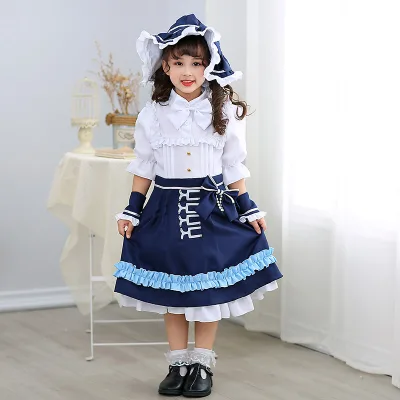
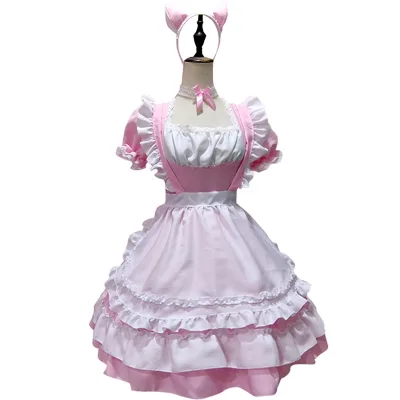
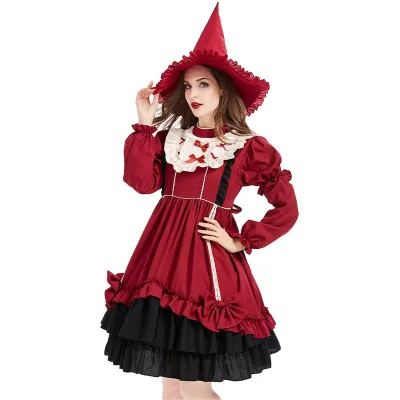
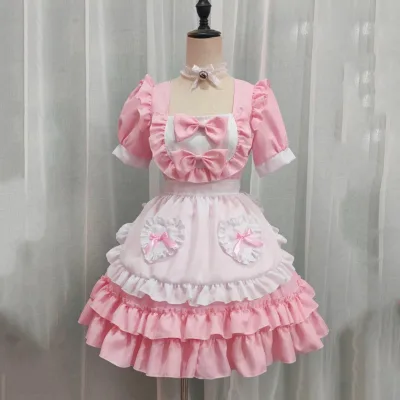
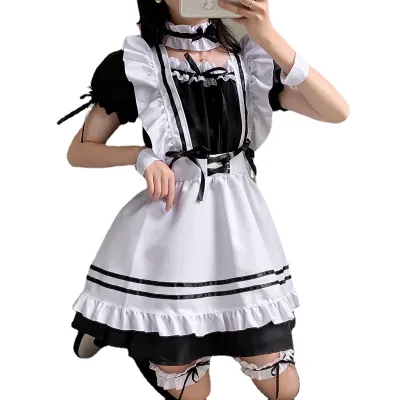
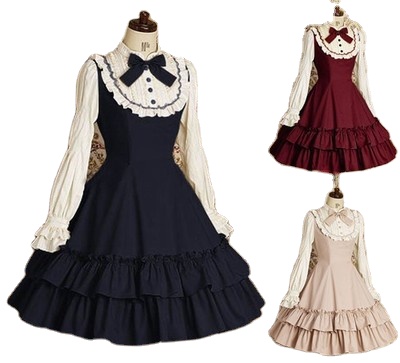


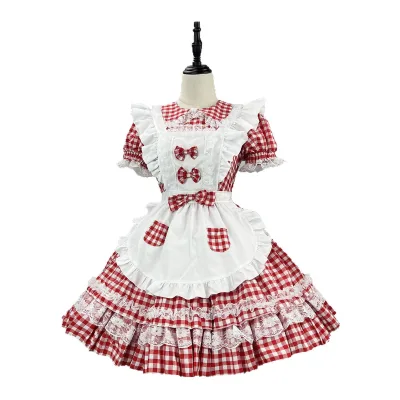
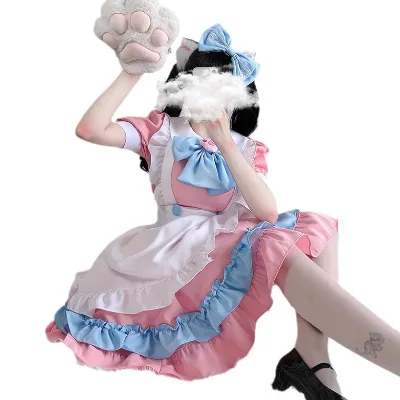
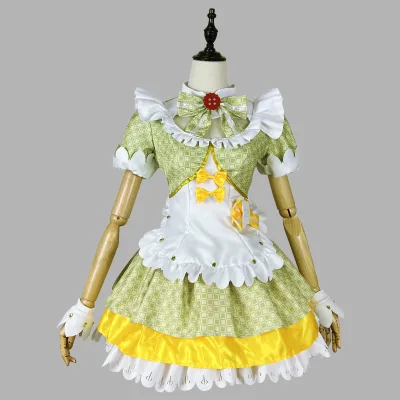
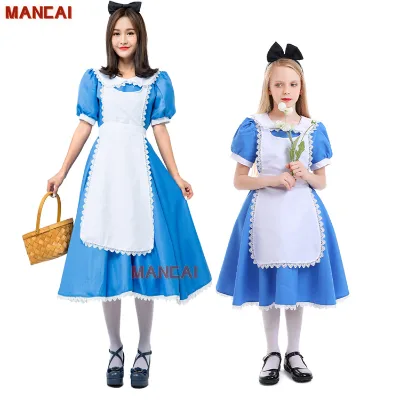
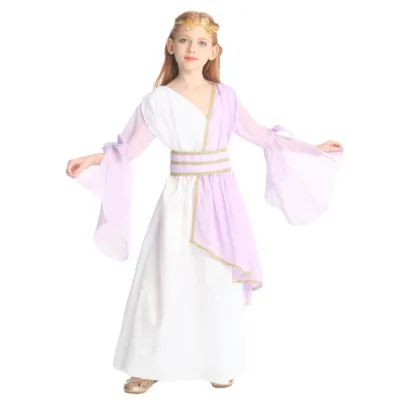


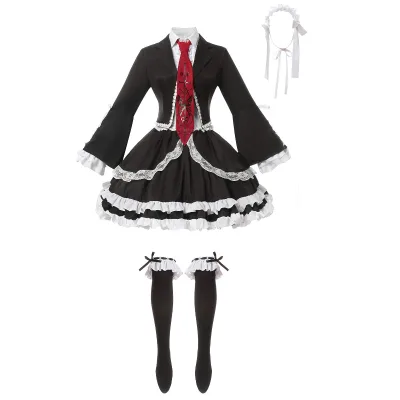
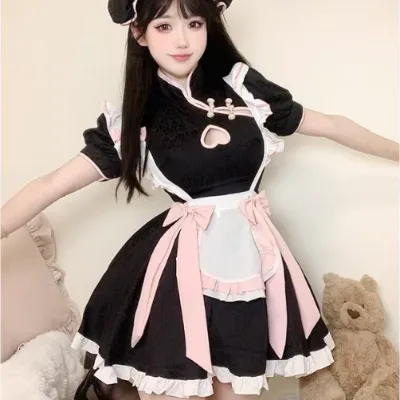
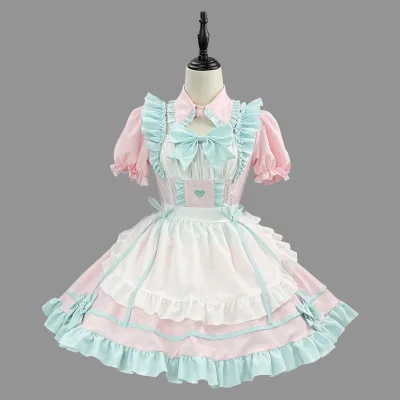
Comprehensive Sourcing Guide
Sweet Lolita Costume for Students Sourcing Guide
Sourcing sweet lolita costumes for students requires balancing aesthetic fidelity with practical durability and budget constraints. The market offers a diverse range of options, from simple cotton-polyester blends to more elaborate polyester-heavy designs featuring lace and printed patterns. Buyers must navigate between in-stock items for immediate needs and OEM services for customized orders, ensuring that the selected garments align with specific event requirements such as Halloween parties, weddings, or birthday celebrations. Understanding these distinctions is crucial for maintaining quality while managing costs effectively.
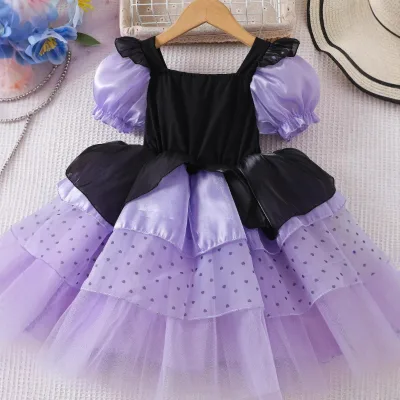
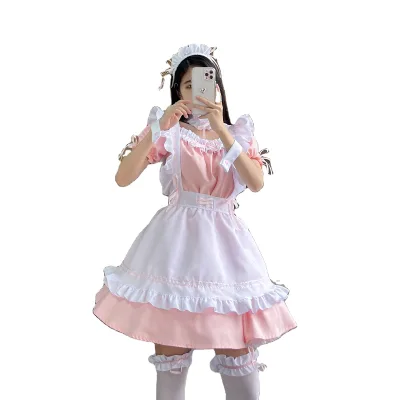
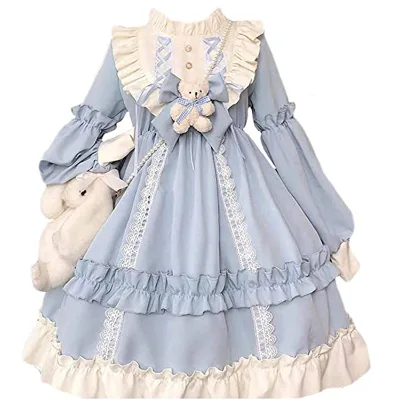
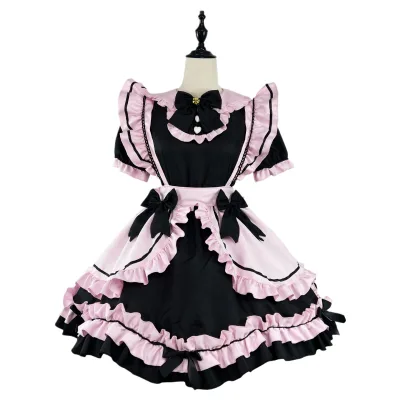
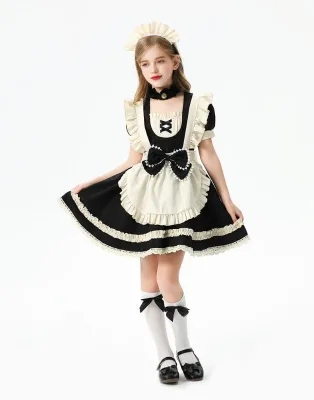
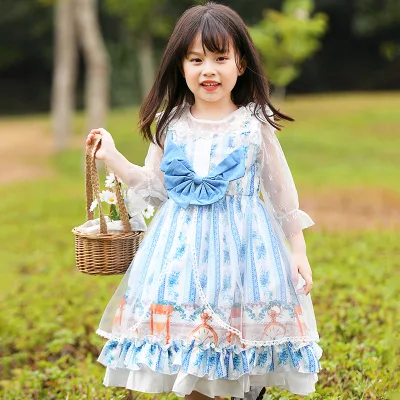
The visual appeal of these costumes often hinges on specific design elements like A-line silhouettes, O-necks, and knee-length cuts, which are prevalent in current listings. Colors range from soft pastels like light blue and pink to bold options such as red and black, allowing for versatile styling. Additionally, the inclusion of decorative features like lace and digital prints enhances the "sweet" aesthetic, making these outfits suitable for costume parties and fun events. Procurement teams should prioritize suppliers who can consistently replicate these intricate details without compromising the structural integrity of the fabric.
Product Scope and Observed Listing Signals
Current market signals indicate a strong presence of products targeting both children and adults, with specific age groups ranging from six to eleven years for youth sizes and general adult sizing available. The observed price range of $6.5 to $48.37 USD suggests a wide variance in material quality and design complexity, with lower prices often correlating to simpler polyester constructions and higher prices reflecting blended fabrics or more intricate detailing. Minimum order quantities (MOQ) vary significantly, starting from single items for sample testing up to 100 units for bulk procurement, offering flexibility for small-scale student groups or larger institutional orders.
Listing attributes frequently highlight features such as eco-friendly materials, digital printing techniques, and specific fabric types like worsted blends, which impact both the tactile experience and longevity of the costume. The supply type is predominantly in-stock, with some suppliers offering OEM services for customized branding or sizing. Lead times for samples are typically around seven days, facilitating rapid prototyping and approval processes. Buyers should carefully review these signals to ensure that the selected products meet the specific functional and aesthetic requirements of their student cohorts, avoiding mismatches in size or style expectations.
Technical Specifications to Verify
Verifying technical specifications is essential to ensure that the costumes meet the physical requirements of the end-users. Key attributes to confirm include the exact material composition, such as polyester-cotton blends or pure polyester, which affect breathability and comfort during extended wear. Sleeve length, typically short, and collar style, often O-neck, should be checked against design templates to maintain the intended silhouette. Additionally, the dresses length, usually knee-length, and the overall silhouette, such as A-line, must align with the desired aesthetic, ensuring that the garments are both visually accurate and functionally appropriate for the intended occasions.
Packaging and logistical specifications also play a critical role in procurement efficiency. Single package sizes vary, with dimensions like 35x30x5 cm and 30x28x10 cm indicating different packing densities that impact shipping costs. Gross weights, ranging from 0.340 kg to 0.500 kg per unit, should be accounted for in freight calculations. Model numbers, such as 25052 and SW-H015, serve as unique identifiers for quality control and reordering. Buyers must ensure that these specifications are clearly documented in purchase orders to prevent discrepancies in received goods, particularly when dealing with multiple suppliers or customized orders.
Compliance and Safety Documentation
Safety compliance is paramount when sourcing costumes for students, particularly those involving younger age groups. Buyers must verify that all materials, including fabrics, dyes, and decorative elements like lace, meet relevant safety standards for flammability, chemical content, and physical hazards. While specific certification statuses are not universally listed, it is crucial to request test reports or compliance declarations from suppliers to ensure that the products are free from harmful substances and meet local regulatory requirements. This due diligence helps mitigate risks associated with product liability and ensures the well-being of the end-users.
Documentation should also cover the origin of the materials and the manufacturing processes employed. Suppliers located in regions like Guangdong, China, may have varying levels of regulatory oversight, making it essential to audit their compliance practices. Buyers should inquire about the eco-friendly claims made by suppliers, verifying that these assertions are backed by credible certifications or sustainable sourcing practices. Additionally, ensuring that the costumes are suitable for their intended occasions, such as Halloween or weddings, involves checking for any specific safety guidelines related to costume wear, such as visibility requirements or restrictions on loose parts that could pose choking hazards.
Cost Drivers and Commercial Terms
Cost drivers for sweet lolita costumes include material selection, design complexity, and order volume. Polyester-cotton blends offer a balance of cost and quality, while pure polyester options may be more affordable but less breathable. The inclusion of intricate details like digital prints and lace decorations can increase production costs, reflecting in higher unit prices. Buyers should analyze the price range of $6.5 to $48.37 USD to understand the value proposition of different suppliers, considering factors such as fabric weight, print quality, and durability. Negotiating volume discounts and optimizing order quantities can help reduce per-unit costs, especially for larger student groups or institutional purchases.
Commercial terms, including MOQs and lead times, significantly impact procurement planning. MOQs ranging from 2 to 100 pieces allow for flexible ordering, but buyers must balance inventory costs with the need for sufficient stock. Sample lead times of seven days enable quick validation of quality and design, but bulk production lead times may vary. Payment terms, shipping methods, and return policies should be clearly defined in contracts to avoid disputes. Buyers should also consider the total cost of ownership, including shipping, customs duties, and potential returns, to make informed decisions that align with their budget and timeline constraints.
Supplier Qualification and Quality Control
Qualifying suppliers involves assessing their production capabilities, quality control processes, and reputation in the market. Buyers should prioritize suppliers with a track record of delivering consistent quality, particularly for intricate designs like sweet lolita costumes. Requesting samples and conducting thorough inspections of fabric quality, stitching, and print accuracy is essential to verify that the products meet specified standards. Suppliers offering OEM services should demonstrate flexibility and responsiveness to customization requests, ensuring that they can accommodate specific branding or sizing requirements. Building relationships with reliable suppliers can lead to better pricing and improved service levels over time.
Quality control measures should be integrated into the procurement process to minimize defects and ensure customer satisfaction. Implementing pre-shipment inspections and establishing clear acceptance criteria for defects can help identify issues before goods are dispatched. Buyers should also evaluate the supplier's ability to handle returns and replacements efficiently, as this impacts the overall risk profile of the procurement. Regular communication and feedback loops with suppliers can foster continuous improvement, ensuring that the costumes meet the evolving needs of student groups and maintain the high aesthetic standards expected in the sweet lolita fashion category.
Long-Term Procurement Checks
Long-term procurement success depends on establishing robust monitoring and evaluation mechanisms for supplier performance and product quality. Buyers should regularly review supplier metrics, including on-time delivery rates, defect rates, and responsiveness to issues, to identify areas for improvement. Conducting periodic audits of supplier facilities and quality control processes can help ensure ongoing compliance with safety and quality standards. Additionally, staying informed about market trends and emerging materials can enable buyers to make proactive adjustments to their sourcing strategies, ensuring that the costumes remain relevant and appealing to student cohorts.
Building a diversified supplier base can mitigate risks associated with single-source dependencies and supply chain disruptions. Buyers should explore opportunities to engage with multiple suppliers, comparing their offerings and capabilities to identify the best partners for different product lines or order volumes. Establishing clear communication channels and collaborative relationships with suppliers can facilitate smoother transactions and faster resolution of issues. By focusing on long-term partnerships and continuous improvement, buyers can ensure a steady supply of high-quality sweet lolita costumes that meet the needs of students while maintaining cost efficiency and operational excellence.
FAQs
What materials are used for these sweet lolita costumes?
The costumes are crafted from a blend of polyester and cotton or pure polyester fabrics. This material choice ensures durability and comfort for students wearing them during parties or Halloween events. The fabric type is often described as worsted, providing a structured yet soft feel suitable for intricate lace decorations and printed designs.
Can I order samples before bulk production?
Yes, sample orders are supported with a lead time of 7 days. This allows buyers to verify quality, fit, and design details before committing to larger quantities. The supplier offers OEM services, meaning you can customize aspects of the costume. This flexibility is ideal for students or event organizers needing specific variations.
What sizes are available for these dresses?
Standard sizes include S, M, L, XL, 2XL, and 3XL to accommodate various body types. Additionally, customized sizing options are available for unique requirements. The dresses are knee-length with an A-line silhouette, designed to fit girls aged 6 to 11 years or adults depending on the specific model selected for the event.
Are these costumes suitable for Halloween parties?
Yes, these items are explicitly designed for occasions like Halloween Day, weddings, and birthday parties. They feature a sweet style with princess character types, making them perfect for costume parties. The solid patterns and lace decorations add a festive touch, ensuring wearers stand out during fun events and celebrations throughout the summer season.
What is the minimum order quantity for these items?
The minimum order quantity varies, with some listings requiring just 2 pieces while others allow up to 100. This low MOQ makes it accessible for small groups or individual students. With an available quantity of 999 units, stock is generally sufficient for immediate shipment, supporting both in-stock items and OEM service requests efficiently.
How are the costumes packaged for shipping?
Each costume is packaged in a single box with dimensions around 35x30x5 cm or 30x28x10 cm. The gross weight per unit is approximately 0.34 to 0.50 kg. This compact packaging ensures safe transport and easy handling. The eco-friendly feature highlights the sustainable approach to materials and packaging used in production.